
STAGE SHOW, CONCERT & THEATRE FILMING
Multi-Camera Recording for Live Performance
Professional filming for theatre productions, concerts, dance shows, musicals and performing arts across Cardiff, South Wales and the UK.
We can record the complete performance, produce a shorter promotional trailer, or plan both from the same production. Coverage can range from a compact multi-camera setup operated by one person to a larger crew where the show and budget justify it.
Full-show recording · Multi-camera coverage · Concerts · Theatre · Dance · Promotional trailers
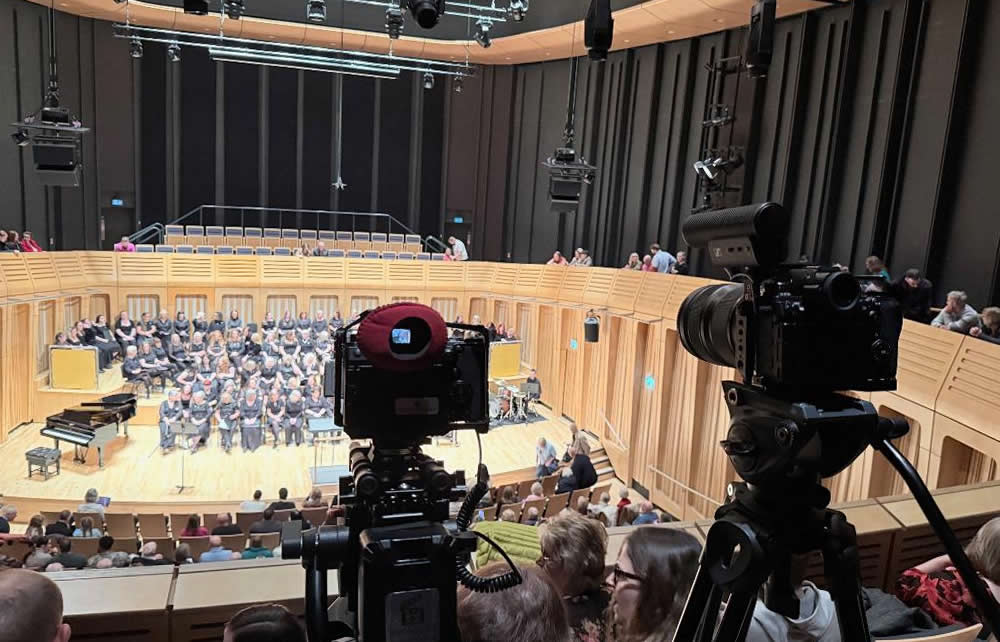
STAGE SHOWS
CAPTURED CLEARLY. DELIVERED RELIABLY
THE PERFORMANCE ONLY HAPPENS ONCE
Record the show without getting in the audience’s way
Live performance filming is different from a normal production day. The cameras cannot interrupt the action, performers cannot repeat a scene because we missed it, and the audience still needs an uninterrupted view of the stage.
That means the important decisions are made before curtain-up: where cameras can be positioned, what each angle needs to cover, whether operators can move, how the sound will be recorded and whether there are any moments that need particular attention.
For some productions, a strong wide view supported by two additional angles is enough. Larger performances may benefit from more operators and dedicated camera positions. The setup is shaped around the venue, the production and the finished recording rather than forcing every show into the same package.
PERFORMANCE FILMING
What we can record
One flexible production approach for different kinds of live performance.
Theatre & musicals
Record plays, musicals and staged productions with camera positions planned around blocking, entrances, dialogue and important moments.
Concerts & orchestras
Multi-camera coverage for orchestras, ensembles, choirs and live music, with the visual edit shaped around the performance.
Dance & performing arts
Preserve choreography and formations with a reliable wide view while closer cameras capture expression, detail and individual performers.
Full performance recording
A complete edited version of the show for archive, cast, organisers, internal use or agreed audience distribution.
Promotional trailers
Create shorter edits using performance footage, rehearsals, interviews or audience comments to promote future dates and productions.
Rehearsal & behind the scenes
Capture preparation, rehearsals and production activity where additional material will help tell the story beyond the final performance.
MULTI-CAMERA COVERAGE
A wide shot protects the show. Other cameras bring the viewer closer.
For most stage productions, one camera needs to maintain a dependable view of the full performance area. That gives the edit continuity and preserves choreography, staging and movement even when another camera is following a close detail.
Additional angles can then concentrate on soloists, groups, reactions, entrances, musicians or details that would disappear in a single wide recording.
Depending on the venue and budget, one operator can manage a compact setup with up to three cameras, or we can use a larger multi-camera crew for productions that need more active coverage.
The aim is not to cut constantly between cameras. The edit follows the performance, using closer angles when they add something while retaining the staging that the live audience saw.
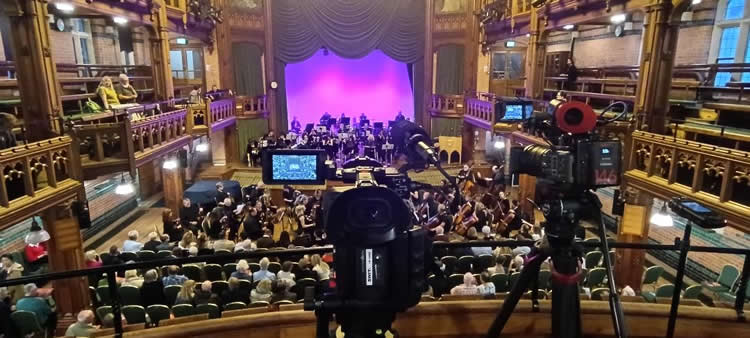
THE SOUND MATTERS AS MUCH AS THE PICTURES
Plan the audio before the audience arrives
A beautifully filmed concert with poor sound is still a poor recording. Before the performance we establish what audio is available from the venue and what additional recording is appropriate.
Where possible, the production can use a feed from the venue sound system together with additional microphones or ambient sound from the room. The exact arrangement depends on the production: amplified music, dialogue, orchestral performance and acoustic work all have different requirements.
Audience reaction can also matter. Applause, laughter and the natural response of the room help the finished recording retain the sense of a live event rather than feeling like a sterile rehearsal.
If the venue has a sound engineer, it is useful for us to speak with them before the performance so connections and recording options are agreed before doors open.
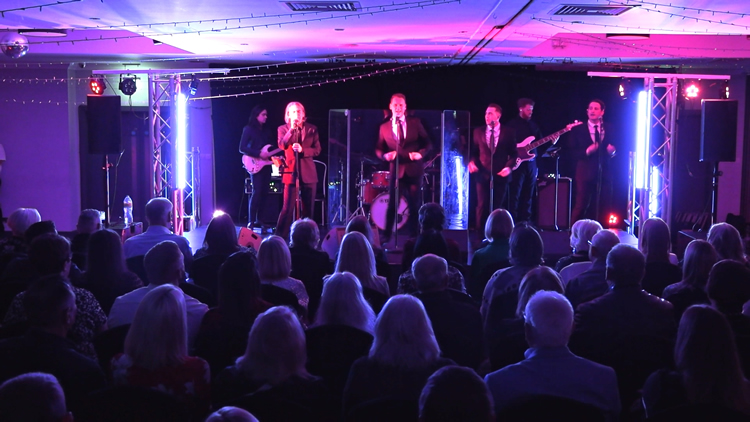
CAMERA POSITIONS AND SIGHTLINES
Work with the venue, not against it
The best camera position on paper is not always available once audience seating, lighting desks, sound positions, balconies, fire routes and venue rules are taken into account.
We establish the practical options with the organiser or venue before filming. Cameras may be positioned at the rear of the auditorium, on balconies, at suitable side positions or in other agreed locations where they can cover the stage without obstructing the audience.
Where a camera needs an operator throughout the performance, that position also needs enough space to work without distracting people nearby. Static or remotely managed angles can be useful where access is more restricted.
A venue plan, photographs or a technical conversation before the date can save a great deal of guesswork on the day.
FULL SHOW OR PROMOTIONAL FILM?
The same performance can serve two very different purposes
A complete performance recording needs continuity. The edit must preserve the structure of the show and make sure important action is never lost simply because a closer camera was somewhere else.
A promotional trailer has a different job. It can select the strongest visual moments, combine them with rehearsal footage or interviews and create a much shorter piece designed to promote future performances.
If both are required, tell us before filming. We can then make sure the show is covered safely for the full recording while also collecting the details, audience material or additional footage needed for the promotional edit.
A REHEARSAL CAN BE EXTREMELY USEFUL
Learn the show before we have to capture it live
For productions with complex staging, a rehearsal or dress rehearsal can help us understand entrances, solos, lighting changes, choreography and moments that will need a particular camera.
It can also provide additional promotional footage without an audience in the room, making some camera positions or closer details possible that would be inappropriate during the public performance.
A rehearsal is not essential for every job, but where the production is complicated or the finished film is particularly important, even a short run-through or technical briefing can improve the coverage considerably.
EDITING AND DELIVERY
Shape the recording around how it will be used
After the performance, the camera recordings and available audio are brought together into the finished programme. Camera changes are chosen around the action, music and staging rather than simply switching angles at fixed intervals.
Titles, credits, interval points and other agreed graphics can be added where required.
Possible outputs
Complete edited show
The full performance as an edited programme.
Promotional trailer
A shorter piece for future dates, websites and social channels.
Individual extracts
Selected songs, scenes, speeches or performances where agreed.
Digital masters
Files prepared for your agreed viewing, archive or distribution method.
PERMISSIONS AND RECORDING RIGHTS
Make sure the production can legally be recorded and distributed
The organiser is responsible for confirming that the performance may be filmed and that the necessary permissions have been obtained for performers, music, scripts, choreography, venue requirements and any intended distribution.
This is particularly important where copyrighted theatrical works or music are involved, or where performers include children and young people.
Tell us how you intend to use the finished recording — archive, private viewing, cast distribution, online promotion or another purpose — so the production and delivery can be planned around that use.
STAGE SHOW FILMING FAQ
Questions to settle before the performance
How many cameras do we need?
It depends on the size of the stage, type of performance and finished programme. A compact production can use up to three cameras with one operator, while larger shows may justify additional cameras and crew.
Can you record directly from the sound desk?
Often, yes, where the venue system and engineer can provide an appropriate feed. We may also use additional or ambient microphones depending on the performance and the sound required.
Do you need to attend a rehearsal?
Not always. For straightforward performances a good brief may be enough. Rehearsals become more useful when staging, choreography, solos or technical cues are complex.
Can you film without blocking the audience?
Yes. Camera positions are planned with sightlines and venue requirements in mind. The available positions depend on the auditorium, seating layout and venue rules.
Can you make a trailer as well as record the full show?
Yes. If both are required, tell us in advance so we can collect the full-performance coverage and the additional details or supporting material that make a stronger promotional edit.
Can you film dance shows and concerts?
Yes. The service covers theatre, musicals, dance, orchestras, choirs, live music and other performing arts where suitable camera and sound positions can be arranged.
Who arranges performance and music permissions?
The organiser or commissioning client is responsible for confirming that the performance may be filmed and that the necessary rights and permissions cover the intended use of the recording.
How much does stage show filming cost?
Stage productions are quoted around the venue, running time, number of cameras and operators, sound requirements, rehearsal coverage, editing and the finished outputs required.
PLANNING A PERFORMANCE?
Send the venue, date and what you need recorded
Tell us the type of production, performance length, venue, audience arrangements and whether you need the complete show, promotional material or both.
If you already have a stage plan, running order or technical contact at the venue, include those details and we can work out the most practical camera and sound approach.